
Some places not to be missed
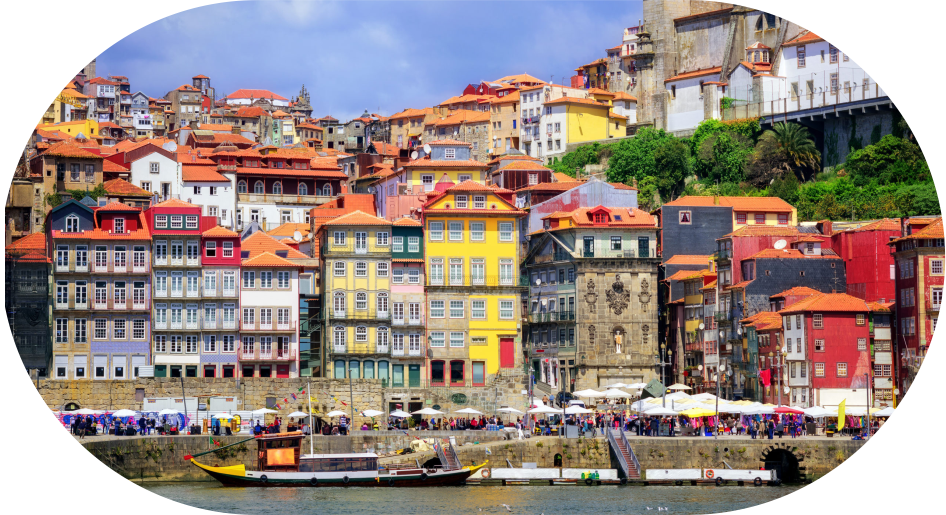
Portugal's second largest city is full of history and variety, from the warren of labyrinthine streets that make up the ancient Ribeira district to the grand plaza of the Trindade district. The wider region is famed for the production of Port, a sweet red fortified wine, which is stored and matured, to this day, in the vast, ancient cellars that stretch along the banks of the Douro River.
It is a picturesque place full of character, also known for leisure, fun and nightlife.There is so much to see, a unique experience awaits!
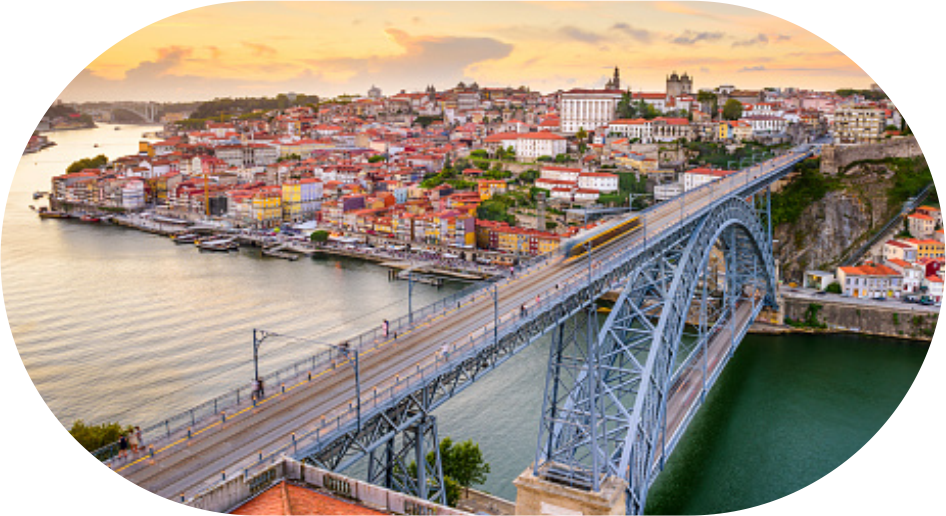
Porto's bridges are the city's most recognisable sights, and have been not only vital to the city's survival and prosperity but also to its character and beauty.
Dom Luis I bridge is an icon of the city. It covers the River Douro and connects the Port wine houses of Gaia with downtown Ribeira. It was built in honour of King Luis I, the reigning monarch of the time. For some reason he did not come to the celebratory opening of the bridge, which is why the locals dropped the “Dom” (“gift” in Portuguese) and called it just Luis I Bridge.
The Maria Pia Bridge was opened in 1877 by the king of Portugal and is named for the queen Maria Pia. Gustave Alexandre Eiffel himself was given the task of constructing the bridge. He is best known for constructing the Eiffel Tower, but he was also a skilled bridge builder. He was meant to complete the Luis I bridge too, but left the project because of disagreements with his protégé Teophile Seyrig.
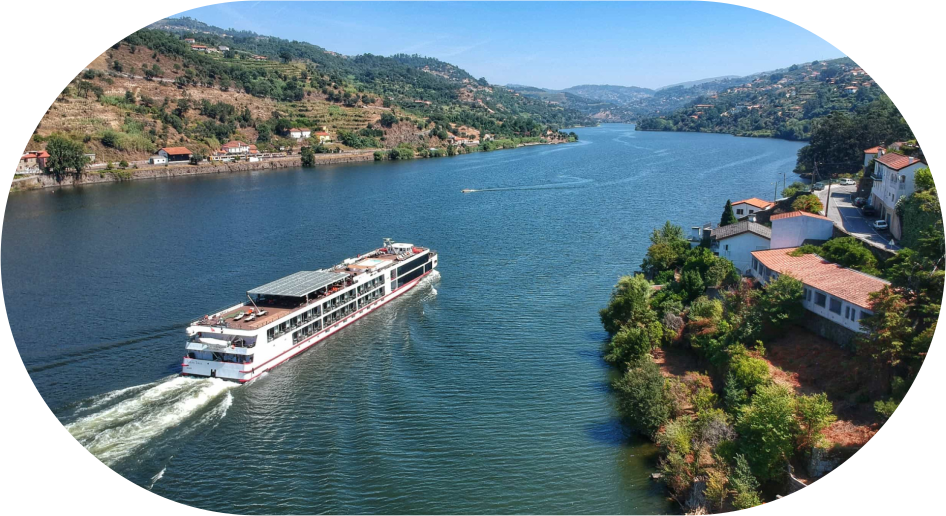
Porto's river, the Douro, runs between Porto and Gaia.
Porto's Ribeira district extends from the riverbank into the city and is the historical center, the old town. It is filled with monuments: the São Francisco Church is well-worth a visit, as it is classified as a national monument.
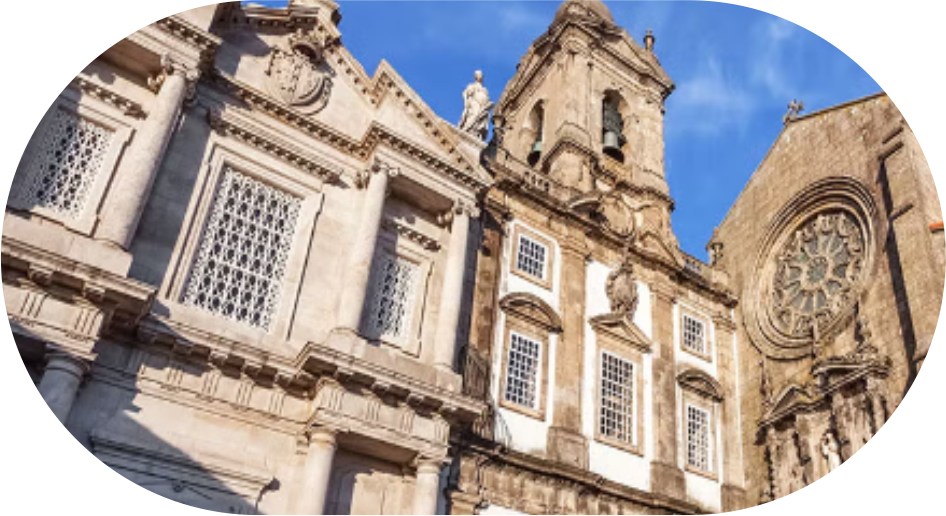
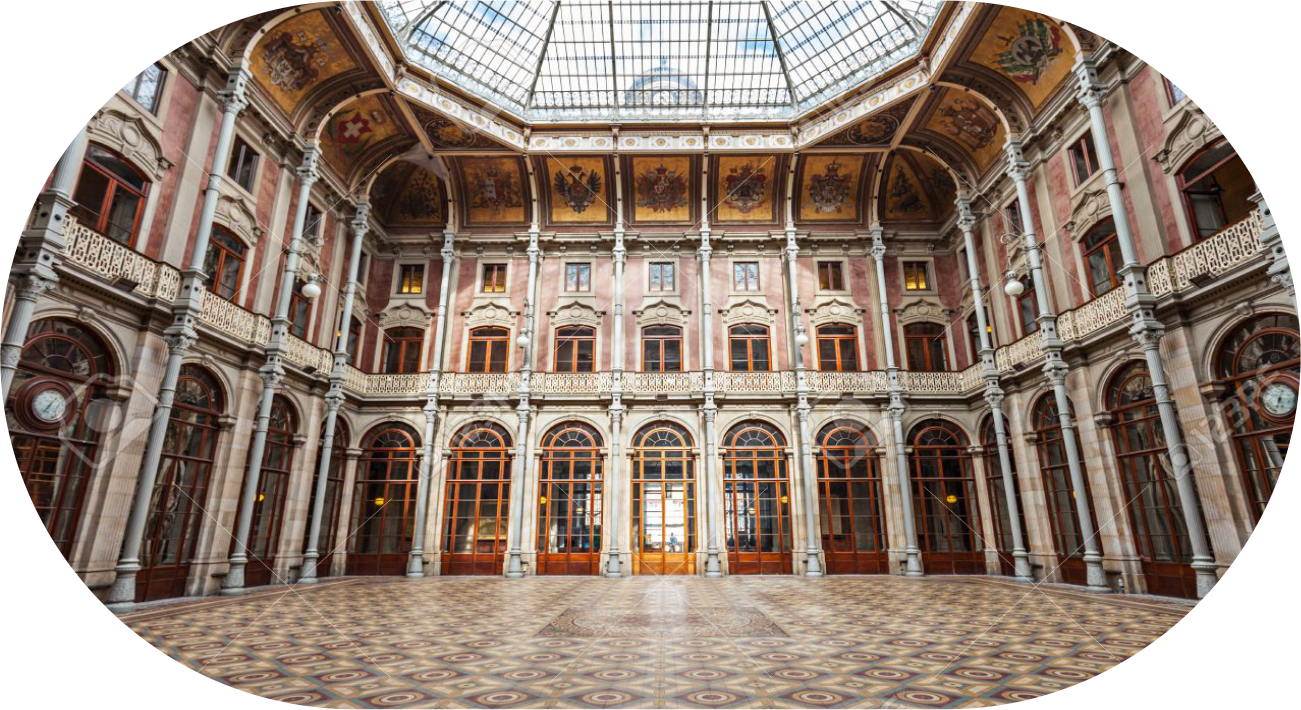
While visiting this church it will be hard to miss the Palácio da Bolsa (Stock Exchange), one of the most important historic monuments in Porto. It was built in the second half of the 19th century in the Neoclassical style and served as a center of commerce and culture. It has a rich history and looks majestic, inside and out.
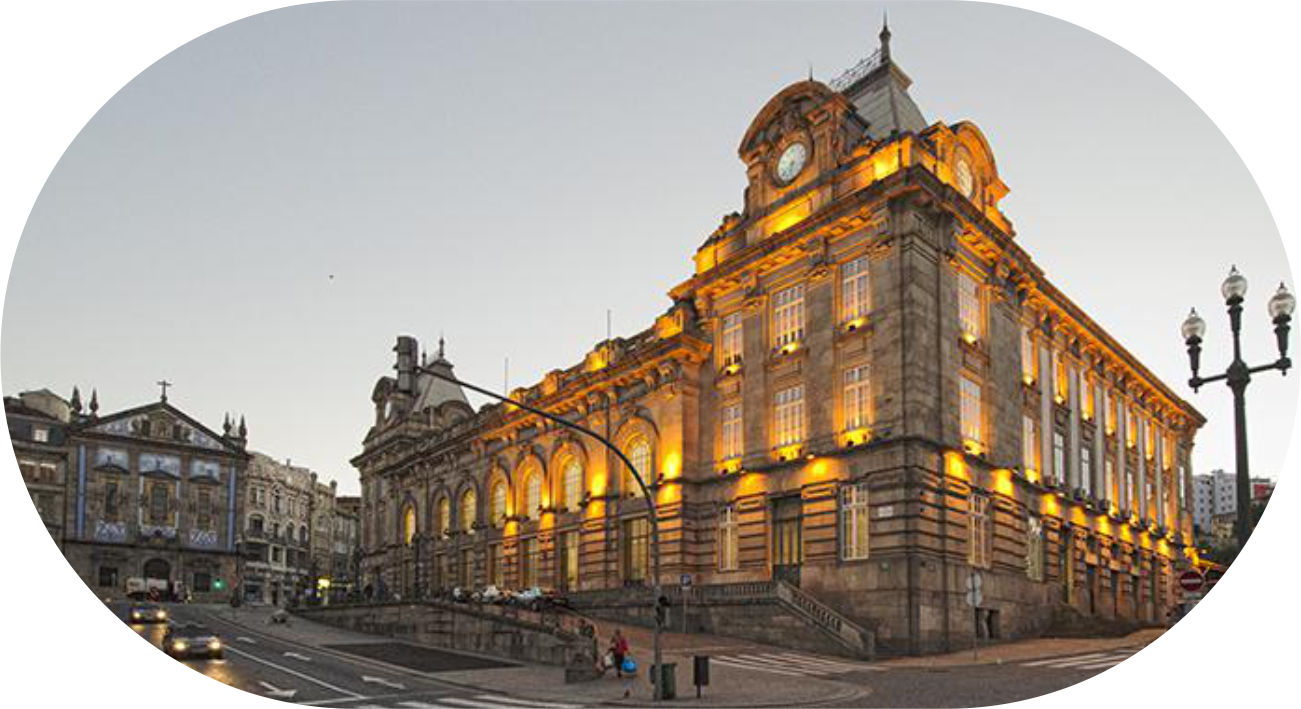
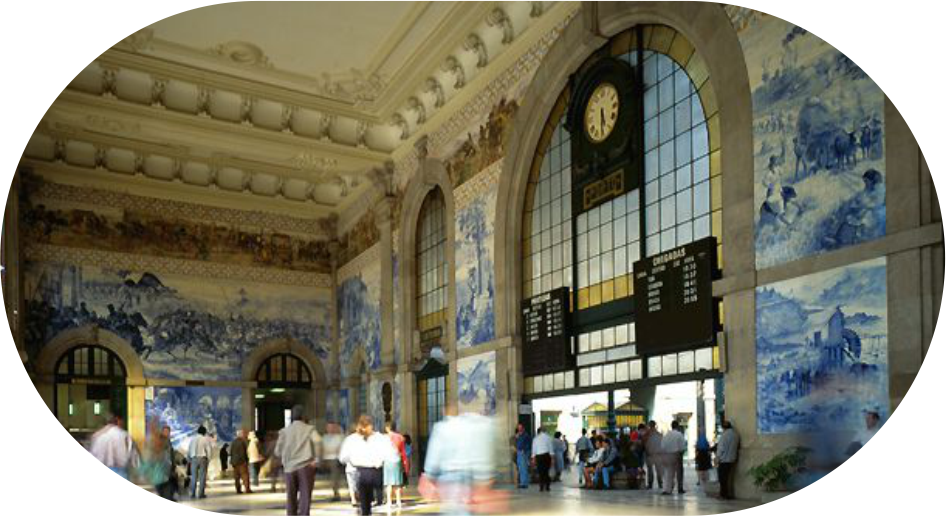
Another must see is São Bento Railway Station which is in the city centre. Although the train station is gorgeous from the outside, the real deal is the inside.
The man hall includes over 20,000 tiles that reflect the history of Portugal. It's a brilliant display of creativity. Showing that even public transport and its stations can look beautiful.
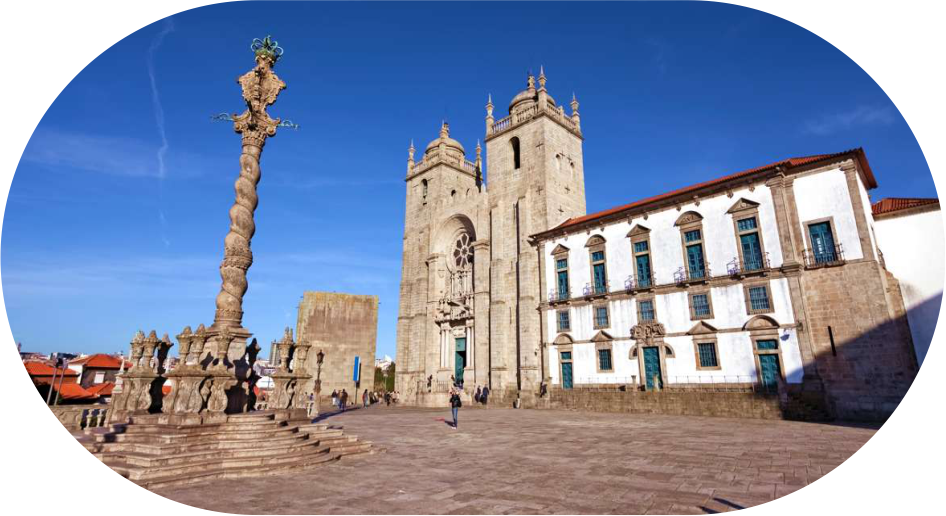
The Cathedral (Sé) of Porto is the city's most important religious building. It is a blend of Romanesque, Baroque and Gothic architectural styles, in a word: mesmerising. The cloisters of the cathedral are decorated with traditional Portuguese blue glazed tiles (Azulejos), and the marvelously crafted rose window completes the picture.
The Cathedral is located on a square with a column in the middle. This is the place where the criminals of Porto were hanged. Since this is the highest point in the city, the square also offers great views over the city of the Douro River and the wine cellars on the waterfront, a great spot for taking pictures.
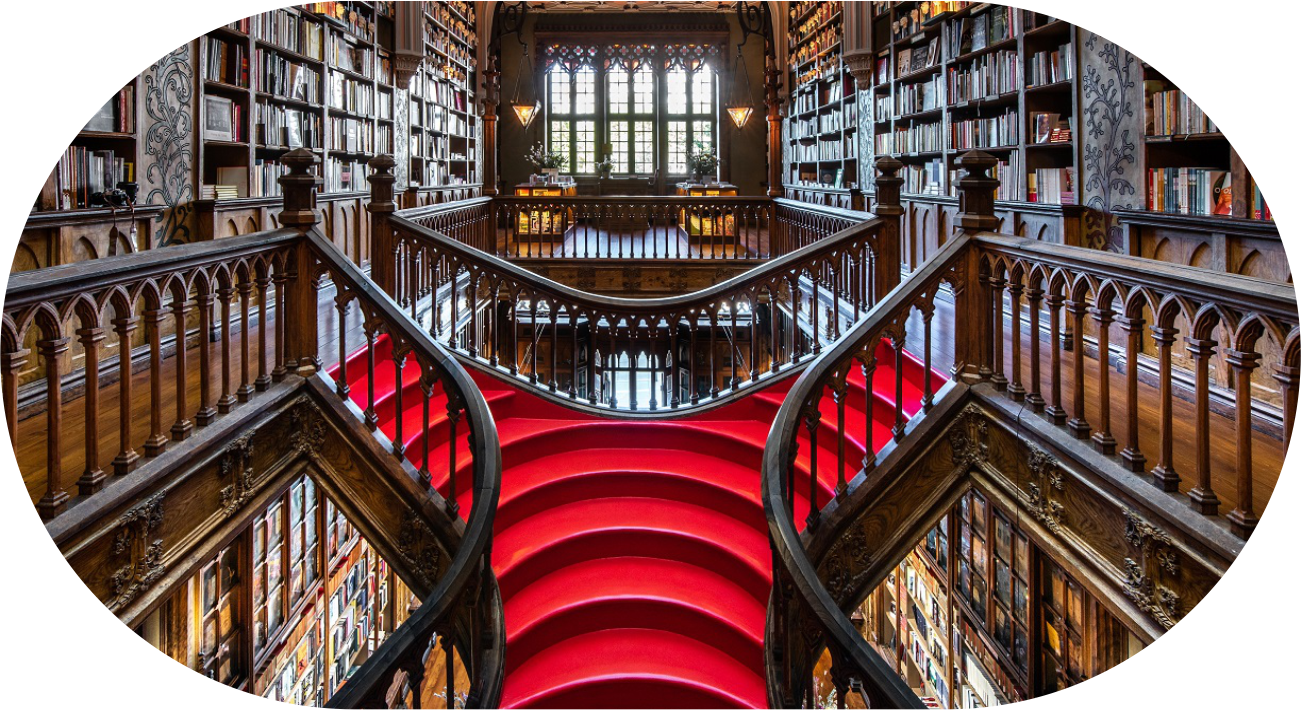
More than just an attraction Lello Bookshop is a place that everyone can enjoy, and not only because of its books. It is located in Carmelitas street, and its iconic staircases are perhaps the first example of the use of concrete in Portugal. It has also been praised by numerous publications, such as The Guardian, for being among the top three most beautiful bookshops in the world.
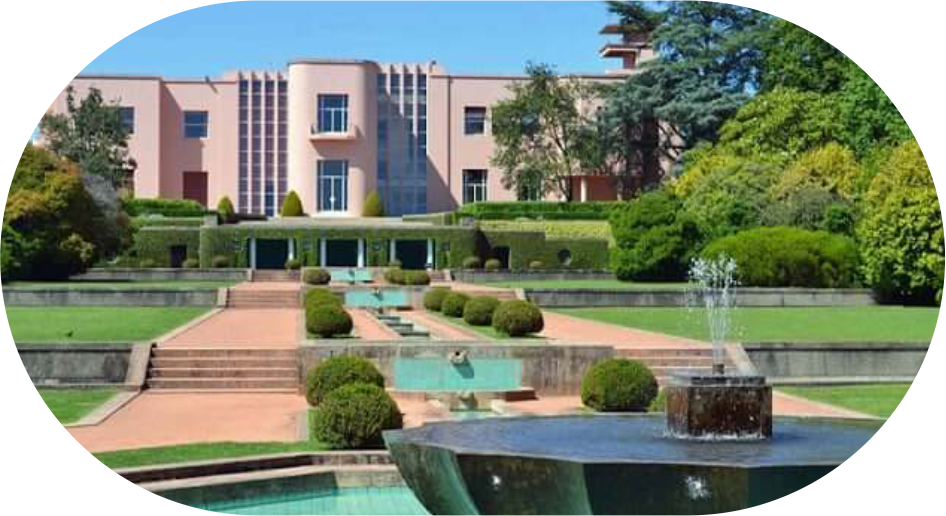
One more point of interest worth visiting - Casa de Serralves is one of the most important cultural institutions in Porto. It is a mansion combining different architectural styles with a Contemporary Art Museum, the most important museum of Porto and one of the best in the country.
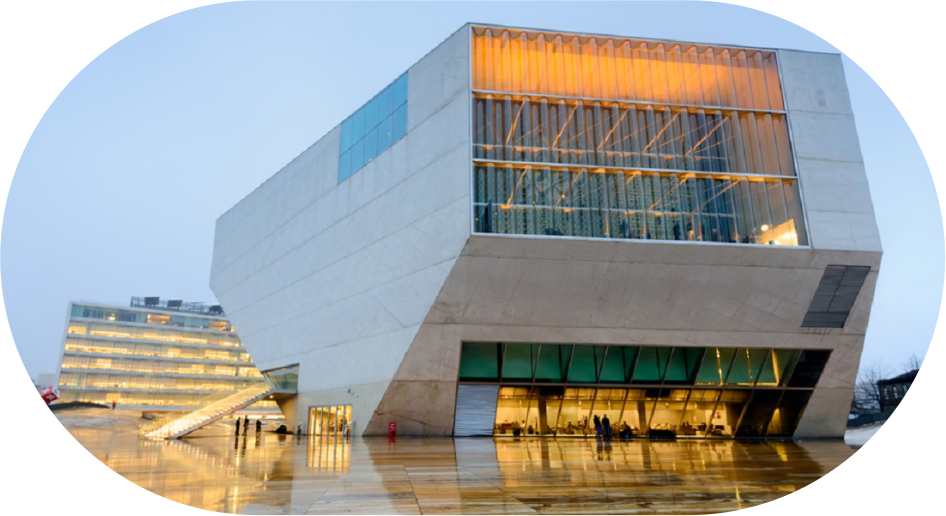
Casa da Música, in Boavista, is a modern icon of Porto. It hosts concerts of various styles and stands out for its bold architecture and excellent acoustics. A dynamic and unmissable cultural venue.